
More robots are coming to The Vessel
Shared robotics infrastructure is growing at The Vessel.
We’re planning the next expansion of the shared robotics infrastructure at The Vessel, our open robotics and AI lab in the Antwerp port area. A submitted Team Commons request is intended to help us expand the lab’s hardware infrastructure, improve the space and make it more useful to the people who come to build.
Since its launch in March, we’ve hosted multiple events and brought people from across Belgium into a more sustained form of community building. We’ve worked on projects, educated people and collaborated with local initiatives to strengthen the community in northern Antwerp.
The goal is simple: support curious people who are eager to work on projects but may not have access to the right environment or equipment. In the age of AI, building has become easier than ever to get into. We want to lower that barrier further by connecting experts in AI, mechatronics and robotics with anyone willing to come and learn.
The future of robotics in Benelux and Europe is now in your hands.
Project note. This article describes planned purchases and projects. Final availability, procurement and delivery remain subject to confirmation and execution.
The reBot Arm B601
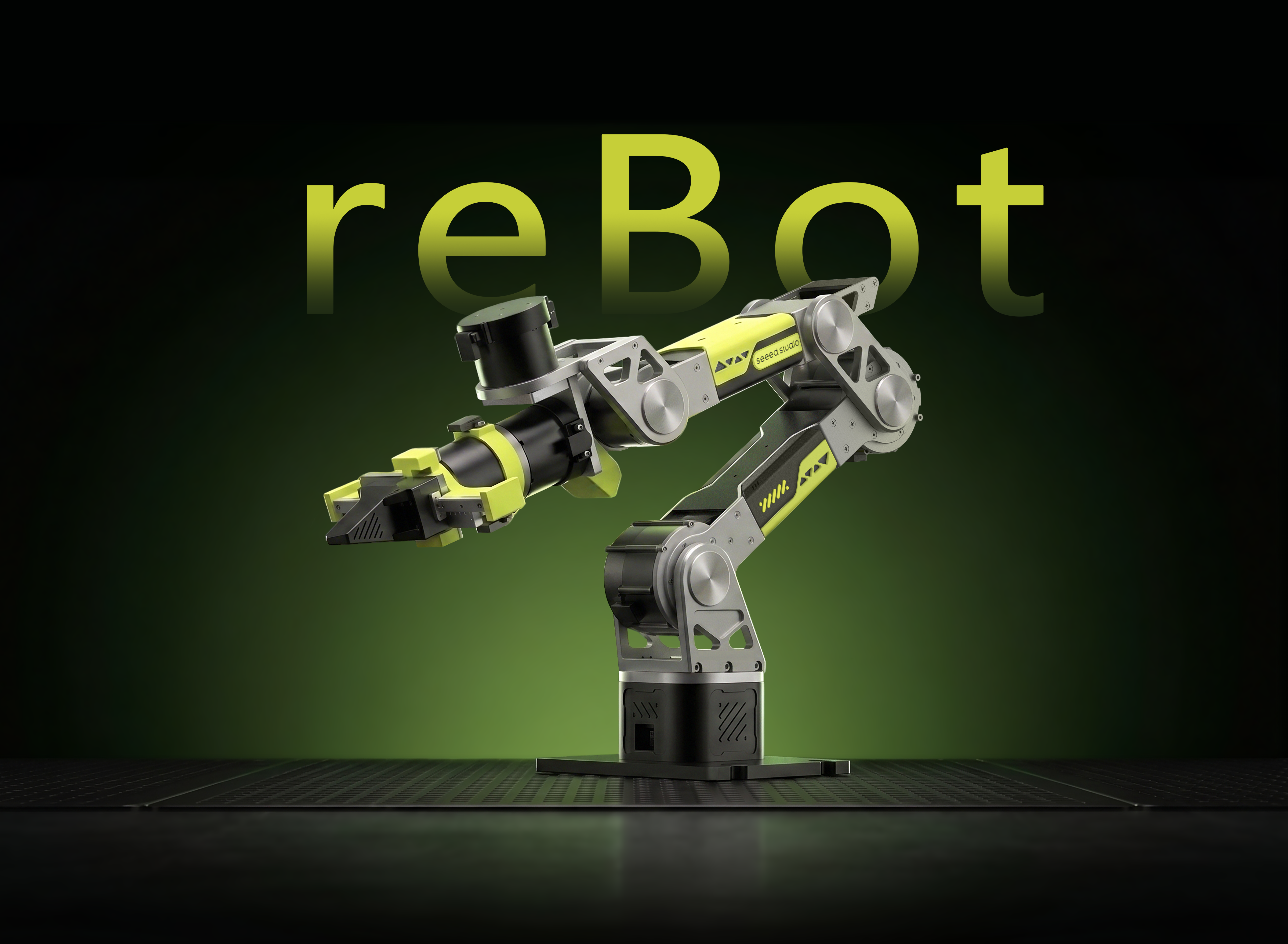
The reBot Arm B601 is an open-source, six-axis robot arm with a gripper. It supports the LeRobot and ROS 2 ecosystems, which makes it useful for demonstrations that connect robot hardware, software and learning systems. Compared to SO101 arms, it’s sturdier and enables us to go further with teleoperation research.
Open Duck Mini v2
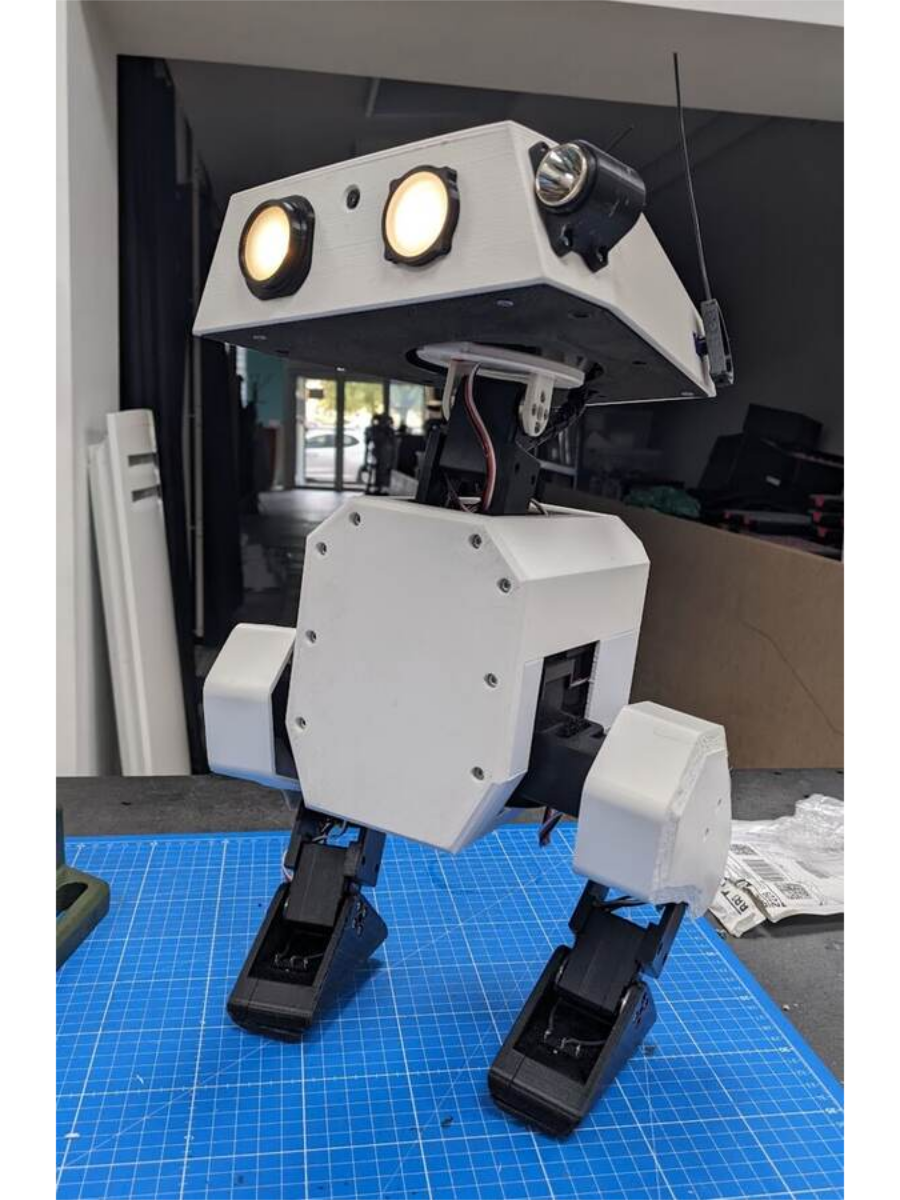
Open Duck Mini v2 is a compact open-source biped robot. It is designed for experimenting with walking, balance and the difficult jump from a simulated robot to one moving in the real world.
Locomotion is one of the clearest ways to show that robotics is more than sending commands to motors. The robot has to keep adjusting to its own weight, the floor and the movement it just made. That makes it a strong teaching platform for control, simulation and embodied intelligence.
Depth Camera
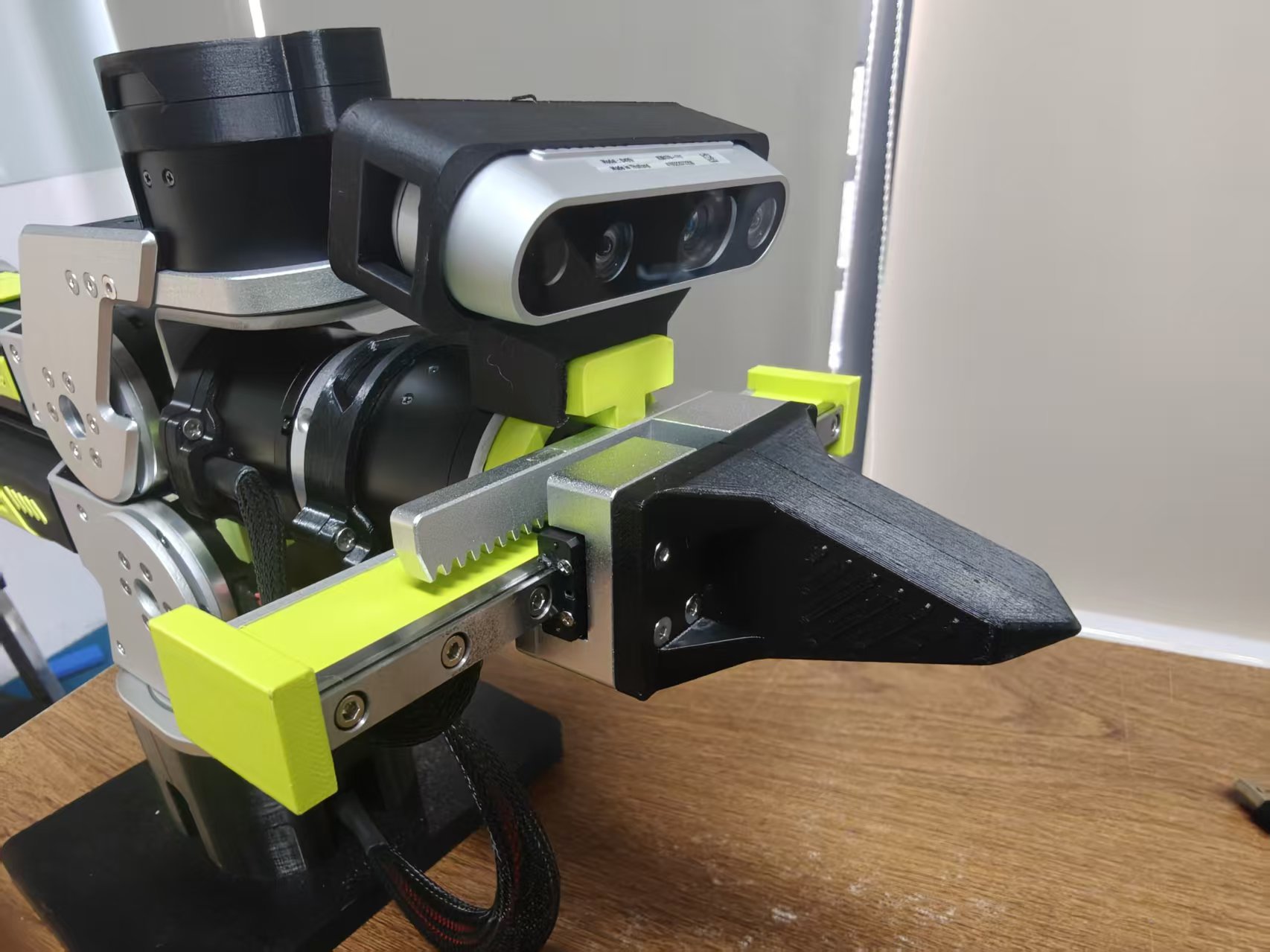
A depth camera gives a robot information about the shape and distance of objects, not only a flat image.
Robots need perception before they can act usefully. This camera lets us demonstrate spatial vision, object tracking and navigation, and it can move between projects as the lab grows.
Elegoo OrangeStorm Giga and filament
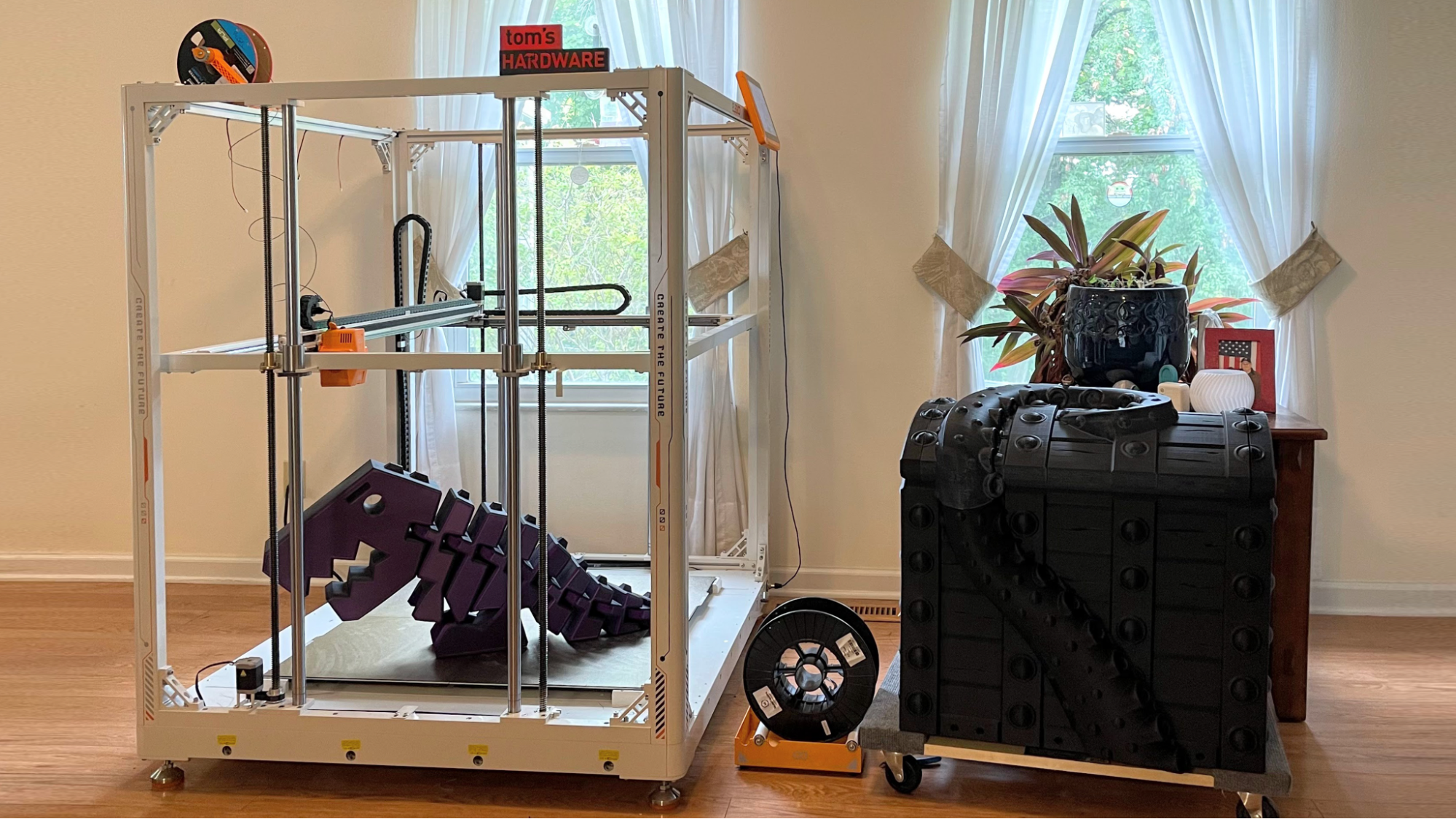
The OrangeStorm Giga is a large-format FDM 3D printer. We’re pairing it with 20 kilograms of filament.
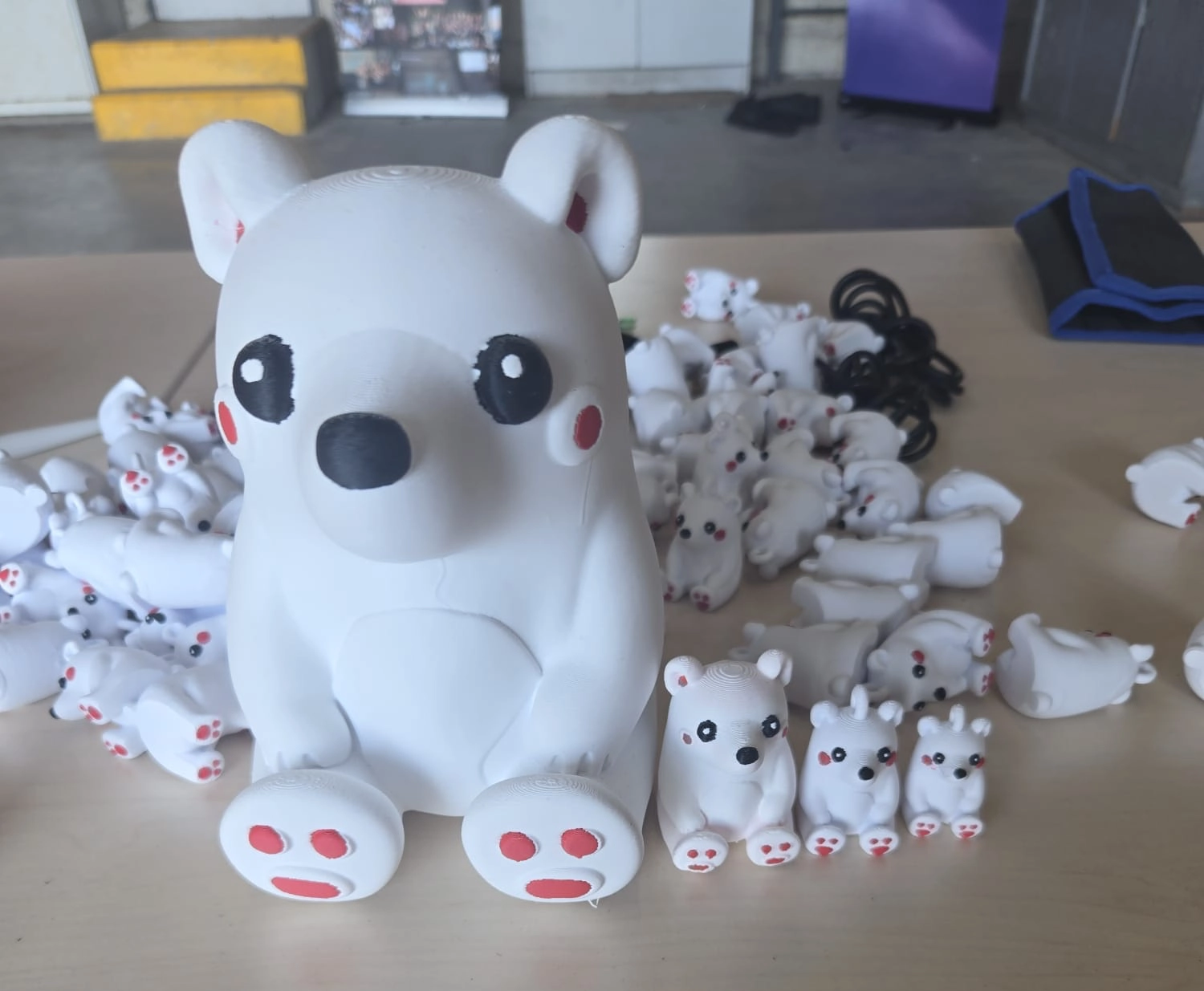
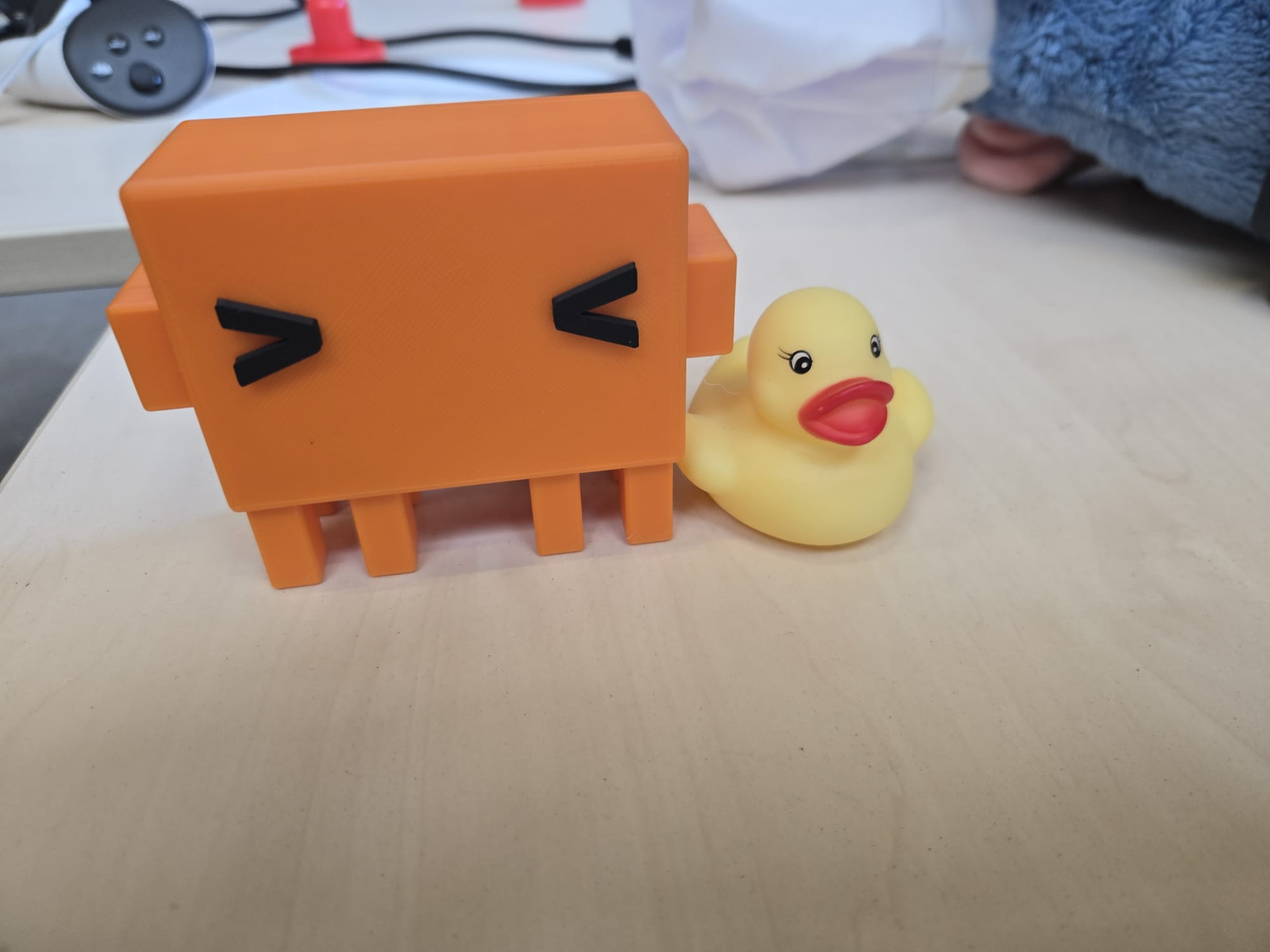
Many robot parts, fixtures and workshop builds become unnecessarily complicated when they have to be split across a small printer bed. A larger machine lets us make full-scale parts in the lab, iterate quickly and repair or adapt equipment without waiting for an external supplier.
Reachy Mini
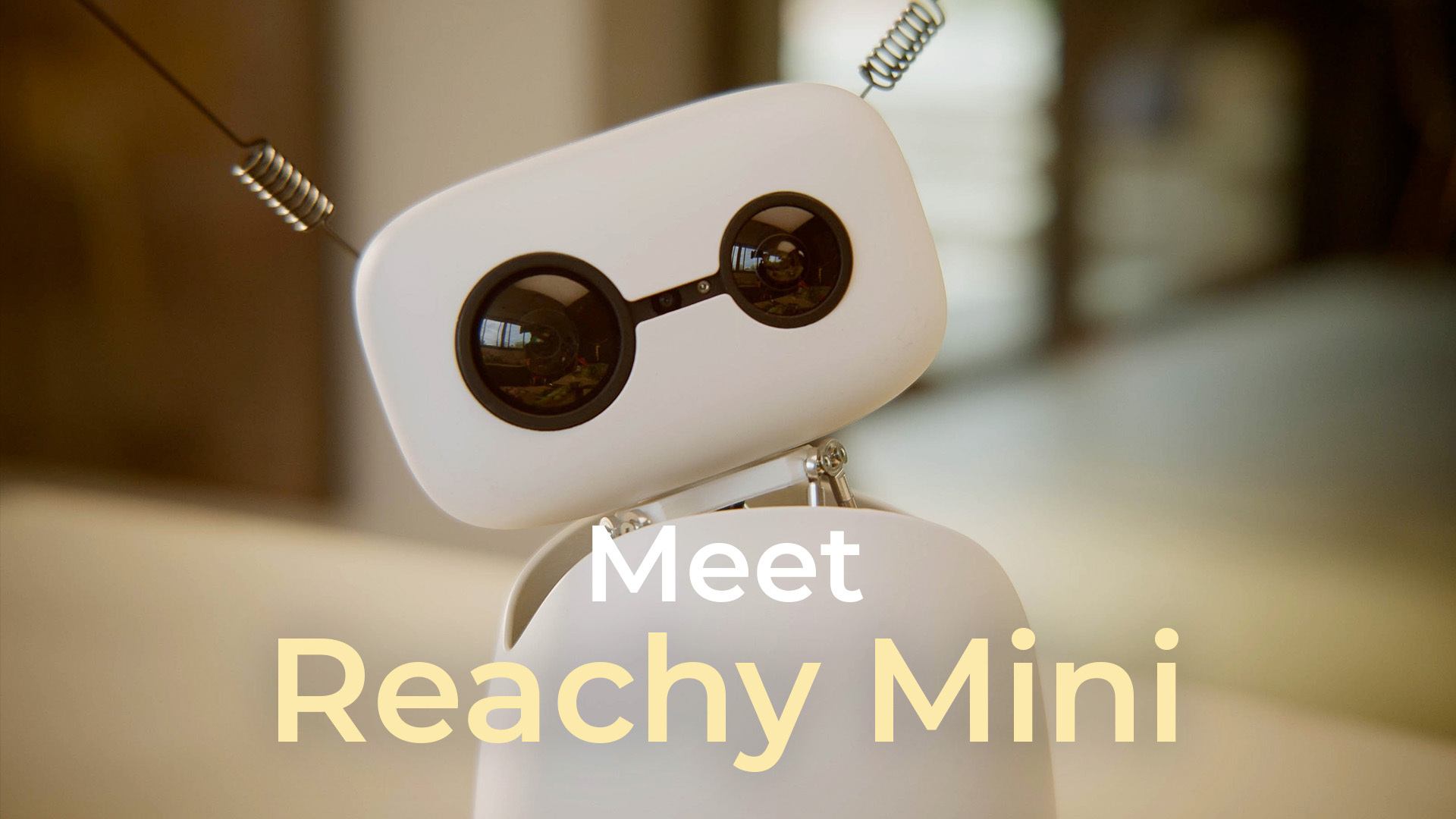
Reachy Mini is a compact open-source robot for voice, vision and interaction experiments.
It is an approachable way into embodied AI. You can stand in front of it, speak to it and immediately see the relationship between software and physical behaviour. That makes it useful for first workshops, public demonstrations and experiments that bring together perception, conversation and movement.
A proper electronics workbench
In addition to the equipment above, we’re expanding the lab with the essentials that make a makerspace work. This includes multimeters, ESP32s, sensors, furniture and other equipment requested by our community.
We’re eager to share these robots and tools with our members. Join our community to get involved.
Projects at The Vessel
The expansion also supports the development of hardware and physical AI projects at The Vessel.
Project “POLL-E”
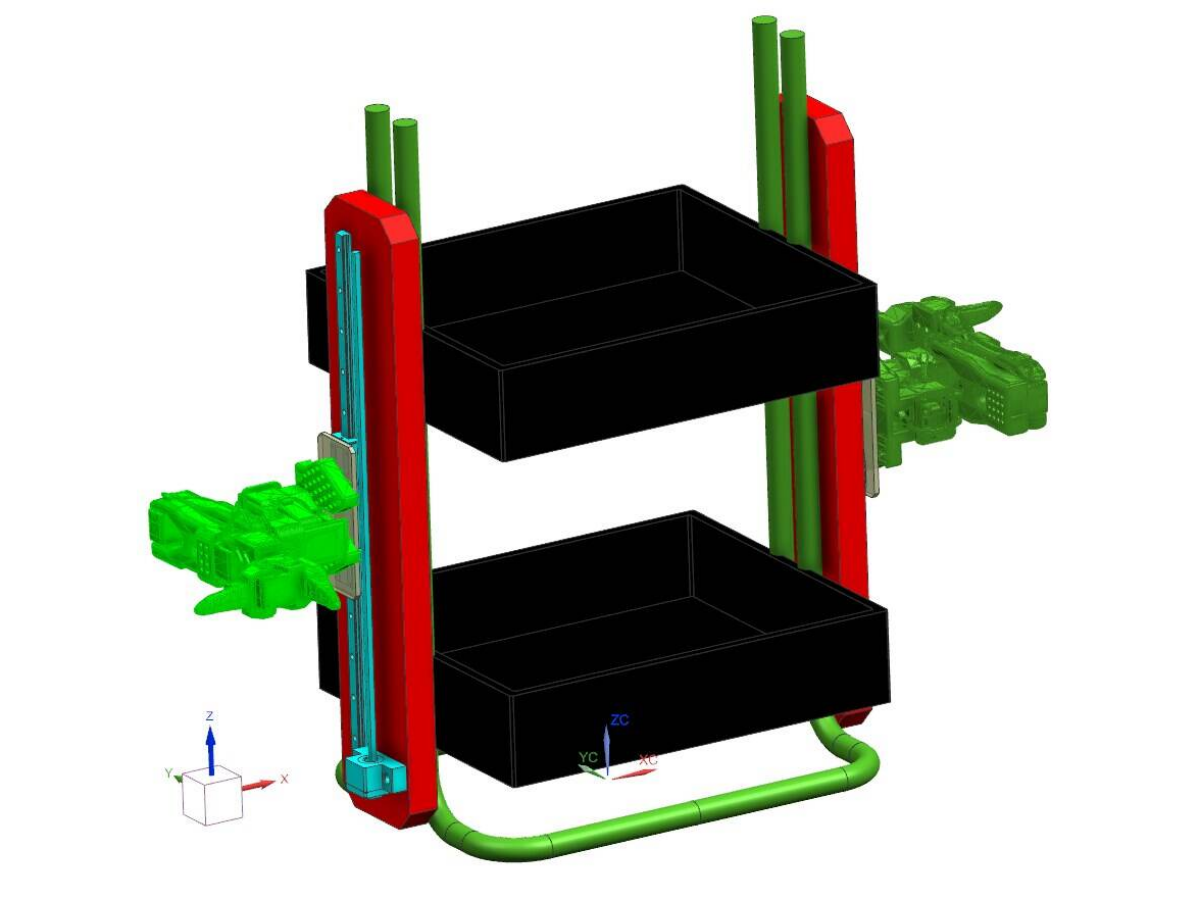
POLL-E is a mobile-base robot based on the XLeRobot design and compatible with the LeRobot ecosystem. Its arms, storage and vertical rails turn the base into a practical mobile workstation rather than a one-off demonstration.
Mobility changes the problem. POLL-E gives us a platform for coordinated manipulation, perception and teleoperation around the lab. The storage and rails also make it useful in workshops: tools, sensors and project parts can travel with the robot.
The ultimate goal is to create a platform for further research into embodied AI, as well as an affordable blueprint for functional robots.
Project “FLOAT-E”
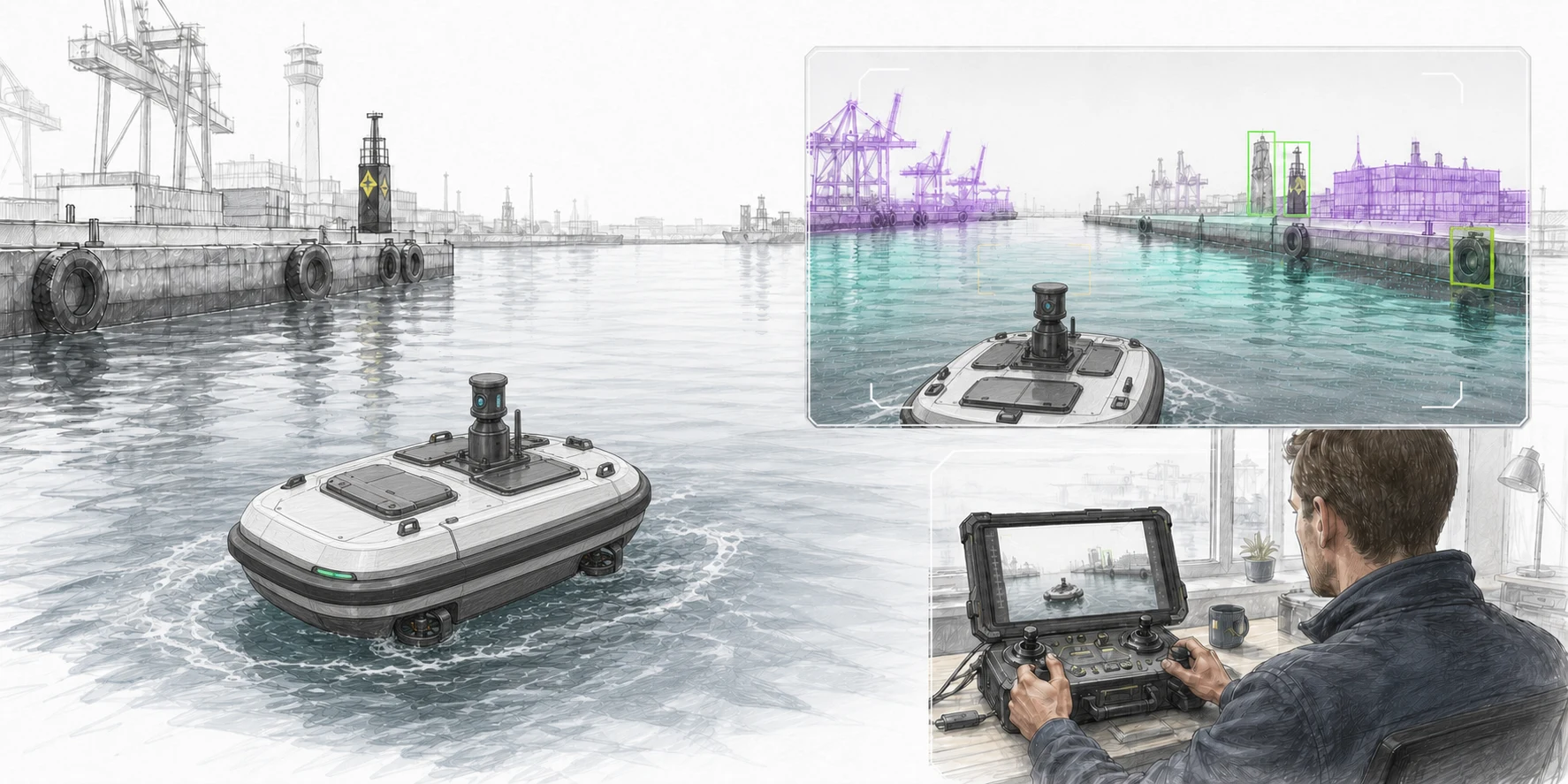
FLOAT-E is a compact autonomous surface robot powered by an NVIDIA Jetson Orin Nano and equipped with a gimbal-mounted camera.
It gives us a platform for testing sensing, navigation, remote operation and robot perception on water. FLOAT-E is our first platform with potential for deployment in a port environment.
Project “MARK-E”
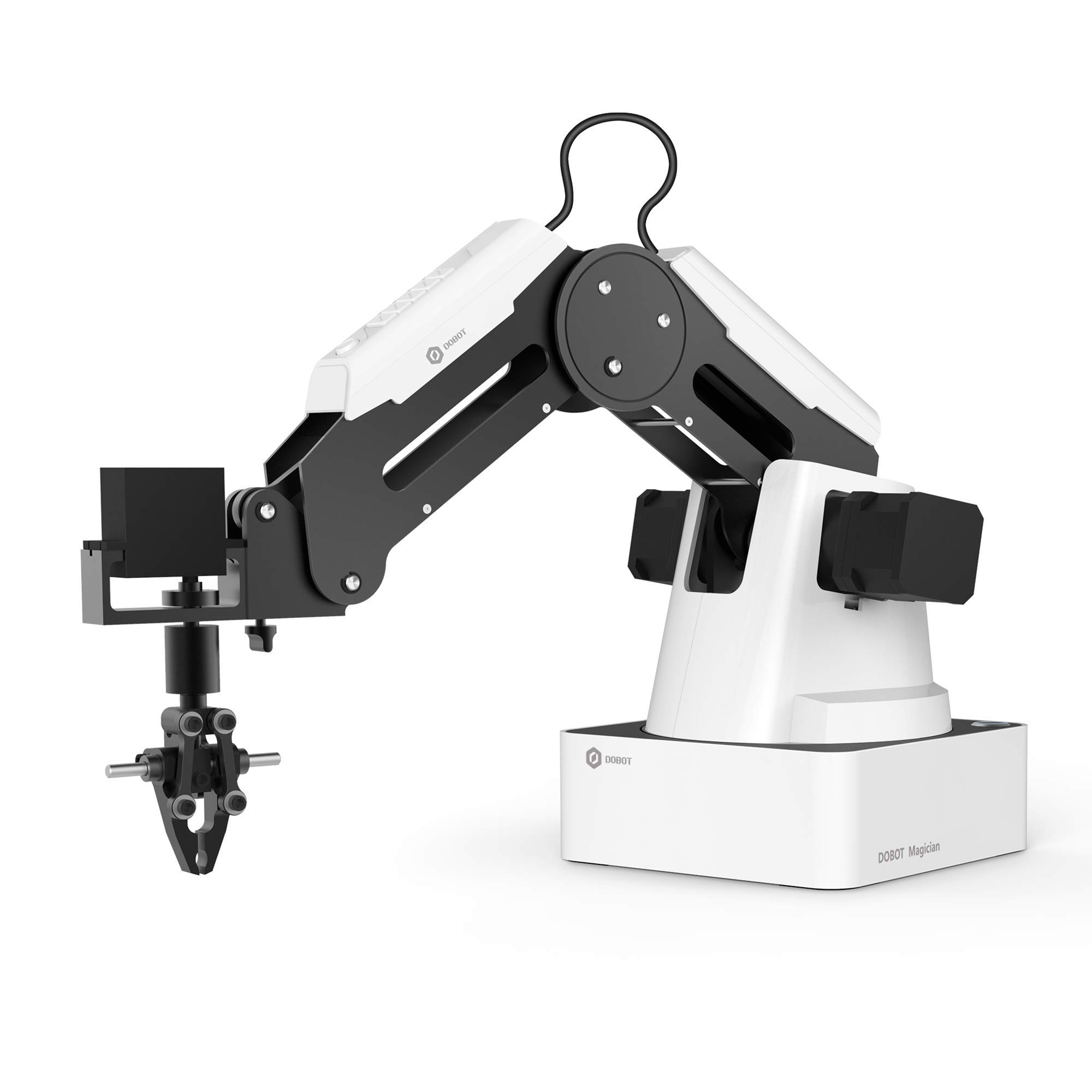
MARK-E is a hands-on badge-customisation demo we’re building around a Dobot Magician for the Port of the Future Summit. Visitors will be able to draw their face on a personal badge.
MARK-E is another step towards bringing AI and robotics into the mainstream through a small interaction and a badge that leaves a lasting impression.
Project “FISH-E”
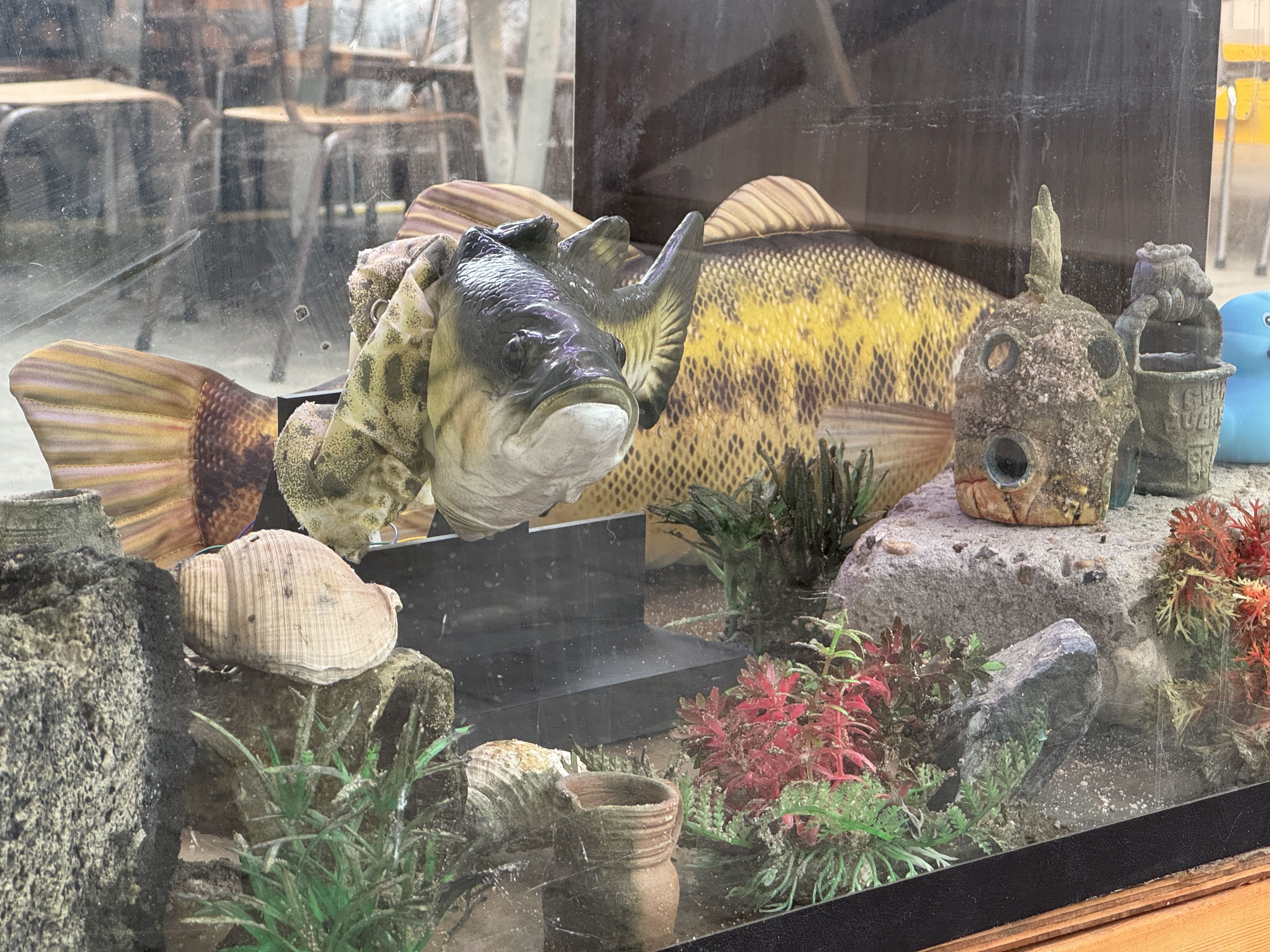
The Billy Bass talking fish has been a recurring character throughout North Star’s history. We’re reviving the project as part of our collaboration with NerdLab, a makerspace in Ghent.
FISH-E offers an absurd way to experience voice AI. Through a reverse-engineered talking fish, NerdLab’s residents will be able to control their smart-home and event systems.
A better shared space
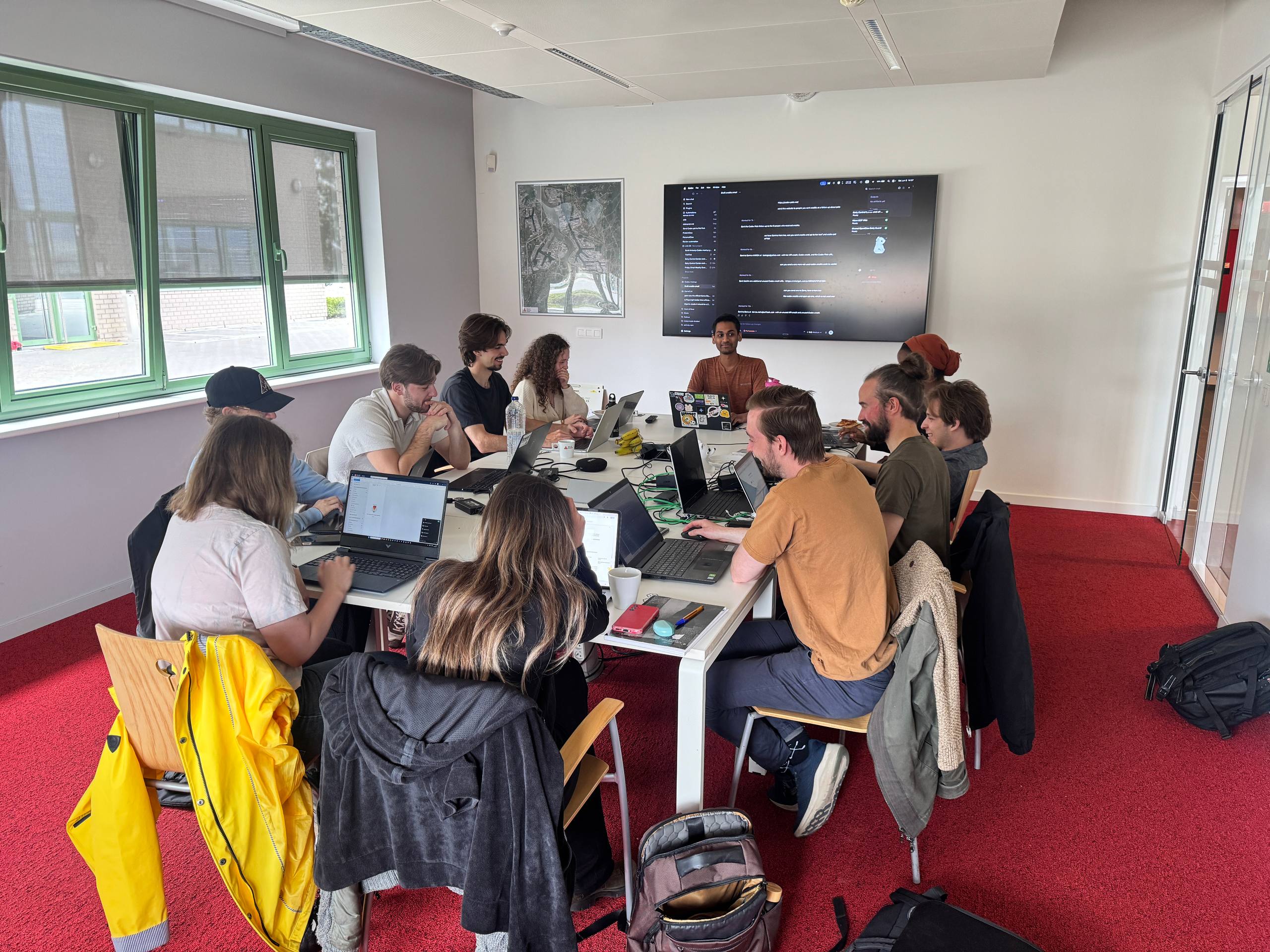
A lab is only as strong as the people around it. We’re looking to collaborate with local communities, companies and universities to strengthen the robotics ecosystem in Antwerp and across Belgium.
We’re especially keen to collaborate with local arts and social initiatives to explore how we can tell the story of robotics through a different lens.
If you’re interested in working together or supporting the lab in any way, please reach out to [email protected].
Thank you to Team Commons and Stad Antwerpen for helping us make The Vessel more useful to Antwerp’s builders and neighbours. We’re also grateful to Port of Antwerp-Bruges for supporting this initiative, and especially to Bob Spanoghe, Erwin Verstraelen and Jonathan Van Cauwenberge from its innovation team for their guidance and practical help.
Come build with us. No experience required. Visit the Open Lab.